There is a persistent myth in the fitness community that your progress is directly proportional to the amount of money you drop at a premium sneaker boutique. We have been conditioned to believe that unless a shoe features a carbon plate, a proprietary nitrogen-infused foam, or a price tag that rivals a monthly car payment, it isn’t ‘real’ running gear. This is simply inaccurate. For the vast majority of people—those of us clocking 15 to 20 kilometers a week at a steady pace—the high-end technical specs of a 15,000-rupee shoe are not just overkill; they might actually be counterproductive for a foot that hasn’t been conditioned for such aggressive energy return.
When you look at the best running shoes under 1500, you aren’t looking for elite marathoning equipment. You are looking for structural integrity, basic impact protection, and a geometry that doesn’t mess with your natural gait. At this price point, the focus shifts from ‘innovation’ to ‘execution.’ Can the brand deliver a consistent EVA midsole? Is the upper breathable enough for a humid morning in Mumbai or Bangalore? Does the outsole have enough rubber to last more than three months? These are the questions that matter. This guide is the result of looking at the manufacturing standards and user feedback for the most accessible trainers on the market today.
What technical features should you prioritize in a sub-1500 running shoe?
When working with a budget of 1500, you have to be analytical about where the money is going. In a premium shoe, you pay for research and development. In a budget shoe, you are paying for the raw materials and the efficiency of the assembly line. To find the best running shoes under 1500, you must ignore the flashy plastic overlays and focus on the chemistry of the sole. Most shoes in this bracket utilize Ethylene Vinyl Acetate (EVA). It is a reliable, lightweight foam that provides decent shock absorption. However, not all EVA is created equal. Some are injection-molded, which tends to be more durable and consistent, while others are compression-molded, which might feel softer initially but loses its ‘bounce’ much faster.
The science of the midsole and energy return
In the sub-1500 category, you will often find ‘Phylon’ listed in the specs. Phylon is essentially EVA foam that has been heated and then cooled in a mold. This process creates a more responsive and fine-tuned cushioning system compared to basic sheet-cut EVA. When you are testing a shoe, press your thumb into the side of the midsole. You want to feel a firm resistance that springs back immediately. If it feels like a kitchen sponge, it will bottom out within the first two kilometers of your run, leaving your joints to absorb the impact. A firmer midsole at this price point is generally a safer bet for longevity and injury prevention.
Upper construction and the breathability factor
The upper part of the shoe—the fabric that wraps around your foot—is where many budget brands try to save money by using heavy synthetic leathers or thick, non-porous meshes. This is a mistake for runners. Heat buildup inside a shoe leads to friction, which leads to blisters. Look for ‘Engineered Mesh’ or ‘Flyknit’ style uppers. These allow air to circulate. Furthermore, pay attention to the heel counter. This is the stiff cup at the back of the shoe. Even in the best running shoes under 1500, the heel counter should be rigid enough to lock your foot in place. If you can easily fold the back of the shoe flat with one finger, it won’t provide the stability you need during a stride.
Outsole grip and rubber distribution
One of the most significant trade-offs in affordable footwear is the outsole. High-end shoes use expensive Vibram or Continental rubber. Budget shoes often use ‘blown rubber’ or, in the worst cases, just the exposed EVA foam of the midsole. Exposed foam is a red flag; it will wear down in weeks on asphalt. Look for shoes that have discrete rubber pods in high-wear areas: the heel and the forefoot. This ensures that you have traction on wet surfaces and that the shoe doesn’t become a slick hazard after fifty kilometers of use.
Which specific models offer the best performance-to-price ratio in 2025?
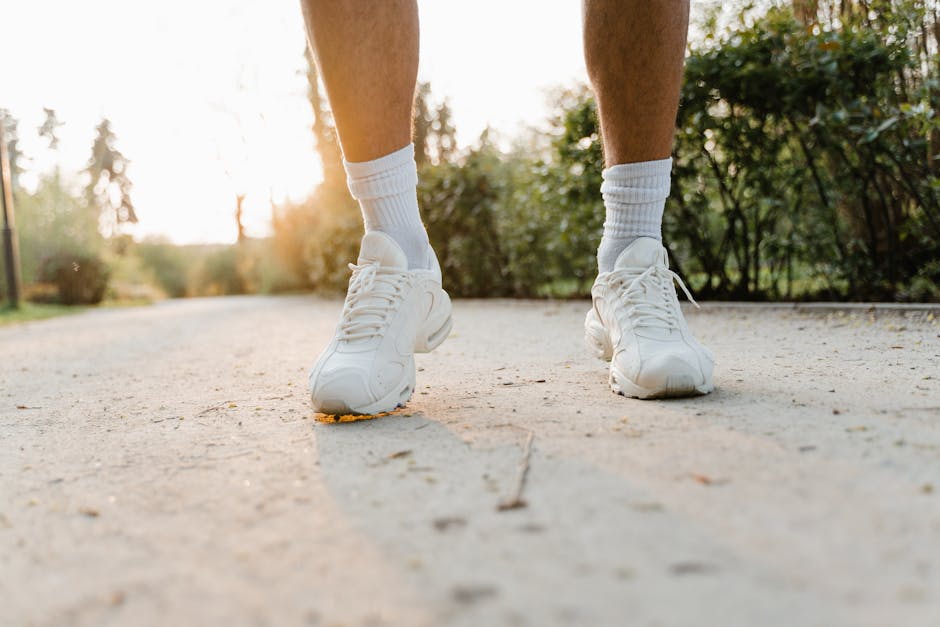
Identifying the best running shoes under 1500 requires looking past the marketing jargon of domestic and international brands. We have analyzed the current market offerings based on weight, stack height, and user-reported durability. The following models represent the peak of what is currently achievable at this price ceiling. While they won’t win you an Olympic medal, they will provide a safe, comfortable platform for your daily fitness routine.
| Model Name | Approx. Price | Best For | Weight (Approx) |
|---|---|---|---|
| Decathlon Kalenji Run 100 | ₹899 | Beginners / 5K | 200g |
| Sparx SM-482 | ₹1,199 | Durability / Road | 280g |
| Campus North | ₹1,449 | Cushioning | 310g |
| Asian Wonder-13 | ₹849 | Daily Walking & Light Jogs | 240g |
| HRX Performance Run | ₹1,399 | Style & Short Sprints | 265g |
Decathlon Kalenji Run 100: The minimalist entry
The Kalenji Run 100 is perhaps the most honest shoe on the market. It doesn’t pretend to be anything other than a basic trainer. With a price often hovering around 899, it is the definition of value. The shoe features a 6mm heel-to-toe drop, which is relatively neutral and encourages a more natural foot strike. The EVA foam is firm, which is actually a benefit for stability. It is incredibly lightweight, making it feel less like a clunky boot and more like an extension of your foot.
- Pros: Extremely affordable, very lightweight, easy to wash, and highly breathable mesh.
- Cons: Lacks significant arch support; the outsole has limited rubber coverage, which can be slippery on smooth, wet tiles.
Sparx SM-482: The durability king
Sparx has built a reputation in the Indian market for making shoes that can survive the elements. The SM-482 uses a thicker Phylon midsole that feels more substantial than the Kalenji. It is designed for the runner who doesn’t have a pristine track and needs to navigate broken pavement and dusty roads. The rubber outsole covers a larger surface area, providing better longevity than almost any other shoe in the best running shoes under 1500 category.
- Pros: Robust build quality, excellent traction on varied surfaces, and a comfortable padded collar.
- Cons: Noticeably heavier than minimalist trainers; the design is somewhat dated and bulky.
Campus North: The cushioning choice
Campus has made strides in incorporating ‘tech’ into budget shoes. The North model often features what they call an ‘Air Capsule’ or a visible cushioning element in the heel. While this is partly aesthetic, the actual foam density is tuned for a softer step-in feel. If you are a heavier runner or someone who strikes heavily on their heel, the extra volume of the Campus North provides a layer of protection that thinner shoes lack.
- Pros: Trendy aesthetic, superior heel cushioning for the price, and a wide variety of colorways.
- Cons: The ‘Air’ unit can feel stiff in colder temperatures; the upper mesh is slightly thicker and can run hot in summer.
Asian Men’s Wonder-13: The lightweight contender
Asian is a brand that has mastered the art of the ultra-lightweight trainer. The Wonder-13 is a popular choice because it feels almost weightless on the feet. It uses a very flexible sole unit that allows for a high degree of foot movement. This is a great shoe for someone who does a mix of gym work and light treadmill running. It doesn’t have the structural rigidity for long-distance road running, but for a quick 20-minute burst, it performs admirably.
- Pros: Very flexible, extremely low price point, and a modern, sleek silhouette.
- Cons: Minimal lateral support; the foam compresses permanently (packs out) faster than higher-density alternatives.
Budget shoes are not a lifelong investment. While a 12,000-rupee shoe might last 800 kilometers, a 1,500-rupee shoe is generally designed for a lifespan of 300 to 400 kilometers. Tracking your mileage is the best way to prevent injuries caused by worn-out foam.
How to maximize the utility and safety of entry-level running gear?
Buying the best running shoes under 1500 is only the first step. Because these shoes are built with tighter margins, they require a bit more care and strategy to ensure they don’t break down prematurely. You cannot treat a budget trainer with the same ‘set it and forget it’ attitude as a premium stability shoe. Understanding the limitations of your gear is what separates a smart runner from one who ends up with shin splints. The foam in budget shoes is more susceptible to temperature and compression fatigue. If you run in the same pair every single day, the EVA doesn’t have enough time to decompress and return to its original shape. This leads to a ‘dead’ feeling underfoot.
Implementing a rotation and monitoring mileage
Even if you are on a strict budget, owning two pairs of 1200-rupee shoes is often better than owning one pair of 2400-rupee shoes. By rotating between two pairs, you allow the foam cells in the midsole to fully recover between runs. This can effectively double the lifespan of each shoe. Furthermore, you should start a log. Use a simple app or a notebook to track every kilometer. Once you hit the 350km mark, start paying close attention to any new aches in your knees or ankles. This is usually the first sign that the internal structure of a budget shoe has collapsed, even if the outside still looks brand new.
The role of aftermarket insoles
Often, the weakest link in the best running shoes under 1500 is the factory insole. These are usually just thin pieces of foam that provide zero arch support. You can significantly upgrade the feel of a budget shoe by spending a few hundred rupees on a decent pair of orthotic or gel insoles. This allows you to customize the shoe to your specific foot shape—whether you have high arches or flat feet—without needing to buy an expensive specialized running shoe. It is a cost-effective way to bridge the gap between ‘budget’ and ‘bespoke’ comfort.
Cleaning and storage protocols for longevity
Heat is the enemy of shoe glue and foam. Never leave your running shoes in a hot car or under direct sunlight on a balcony. The UV rays and heat can cause the midsole to become brittle and the upper to shrink or warp. When your shoes get dirty—and they will—avoid the temptation to throw them in a washing machine. The agitation can weaken the bonded seams. Instead, use a soft brush, some mild soap, and cold water. Air dry them in a shaded, well-ventilated area. If they are soaked from a monsoon run, stuff them with crumpled newspaper to absorb the moisture from the inside out, which helps maintain the shape of the toe box.
Ultimately, the best running shoes under 1500 are tools for a specific job. They are the gateway to a healthier lifestyle, removing the financial barrier to entry for the sport of running. By choosing a model with a solid Phylon or EVA midsole, a breathable upper, and a sensible rubber outsole, you are setting yourself up for success. You don’t need a mortgage-sized investment to start your fitness journey; you just need a pair of shoes that respects the mechanics of your stride and a commitment to showing up on the pavement every morning.