
I’ve spent years battling dry, chapped skin. From flaky patches on my face to perpetually cracked lips, I tried every “hydrating” serum, rich cream, and “barrier repair” lotion out there. Most fell flat. Expensive, trendy products often did less than the simplest solutions. My biggest lesson? Stop overthinking it. The truth about what truly works for dry skin often comes down to one unassuming hero: the balm. And usually, the best ones aren’t the ones being heavily advertised.
My top recommendation, right out of the gate: if you’re struggling with persistent dryness, especially on lips or small patches of skin, ditch the fancy “moisturizers” that just disappear. Get yourself a tube of Aquaphor Healing Ointment. It’s affordable, effective, and will solve 90% of your dry skin issues. Seriously. I keep tubes everywhere.
Why Most ‘Hydrating’ Products Fail You
Here’s a bold statement: most “hydrating” serums and lightweight lotions are a waste of money if you have genuinely dry skin. They feel great initially, a refreshing splash of water, but that feeling rarely lasts. I’ve seen countless friends cycle through expensive hyaluronic acid serums only to still complain about tightness hours later. The problem isn’t that these ingredients are bad; it’s that they often lack the occlusive power needed to seal in that hydration.
You can layer all the humectants you want – hyaluronic acid, glycerin, urea – but if there’s nothing on top to create a physical barrier, that water evaporates. It’s like trying to fill a bucket with holes. For years, I fell for the marketing. “Plumping!” “Deep hydration!” I’d spend $50 on a serum, then $40 on a cream, and still wake up with tight skin. My wallet was lighter, but my skin wasn’t any better.
The Evaporation Problem
The skin naturally loses water through a process called Transepidermal Water Loss (TEWL). Humectants draw water to the skin, which is great. But without an occlusive layer, that water just leaves. Imagine applying a water-based product to damp skin without following up. That water, along with your skin’s natural moisture, can actually evaporate faster, leaving you drier than before. I’ve learned this the hard way through years of trial and error, seeing my skin get worse, not better, with too many “hydrating” but non-occlusive products.
What Occlusives Do Better
Occlusive ingredients – the stars of balms – create a physical barrier on the skin’s surface. This barrier slows down TEWL significantly. They don’t necessarily add moisture, but they prevent it from escaping. Think of it like a cling film for your skin. This is why products like Vaseline Petroleum Jelly, which costs about $4 for a large tub, often outperform serums costing ten times that. It’s not glamorous, but it works. My preference is still Aquaphor because it’s slightly less greasy and has a few more nourishing ingredients, but pure petrolatum is a powerhouse.
Decoding Balms: Beyond the Basic Lip Stick
When most people hear “balm,” they think lip balm. But the category is far broader and much more powerful. A balm, at its core, is a semi-solid preparation, typically oil-based, designed to deliver concentrated ingredients and create a protective barrier on the skin. Their thick, often anhydrous (water-free) nature is key to their effectiveness, especially for tackling extreme dryness and compromised skin barriers.
Balms leverage high concentrations of occlusives and emollients. Occlusives, like petrolatum or lanolin, physically block water loss. Emollients, such as shea butter or squalane, smooth and soften the skin, filling in gaps between skin cells. This dual action makes them incredibly potent for repair and protection, far more so than a typical lotion which often contains a higher percentage of water.
Key Balm Ingredients to Look For
Understanding what goes into a good balm helps in choosing the right one. I always check ingredient lists, not just brand claims.
- Petrolatum (Petroleum Jelly): The gold standard occlusive. Extremely effective, non-comedogenic for most, and inexpensive. Don’t be scared by its origins; it’s highly purified.
- Lanolin: A natural wax from sheep’s wool. It’s a fantastic occlusive and also a good emollient, meaning it both seals and softens. Some people are sensitive to it, though.
- Mineral Oil: Another petroleum-derived ingredient. Excellent occlusive, very stable, and rarely irritates.
- Beeswax: A natural occlusive and emollient. Often used to give balms their solid texture.
- Shea Butter / Cocoa Butter: Rich emollients that also provide some occlusive properties. Great for nourishment.
- Ceramides: Not occlusive themselves, but crucial for barrier repair. Many good balms include them.
Different Balm Categories and Uses
Balms aren’t just for chapped lips. I use them for so many things.
- Lip Balms: The most common type. Focus on petrolatum, lanolin, or beeswax for true healing, not just temporary gloss.
- Healing Ointments: Often called “multi-purpose” balms. Aquaphor, CeraVe Healing Ointment, or plain Vaseline fall here. Essential for dry patches, minor cuts, slugging.
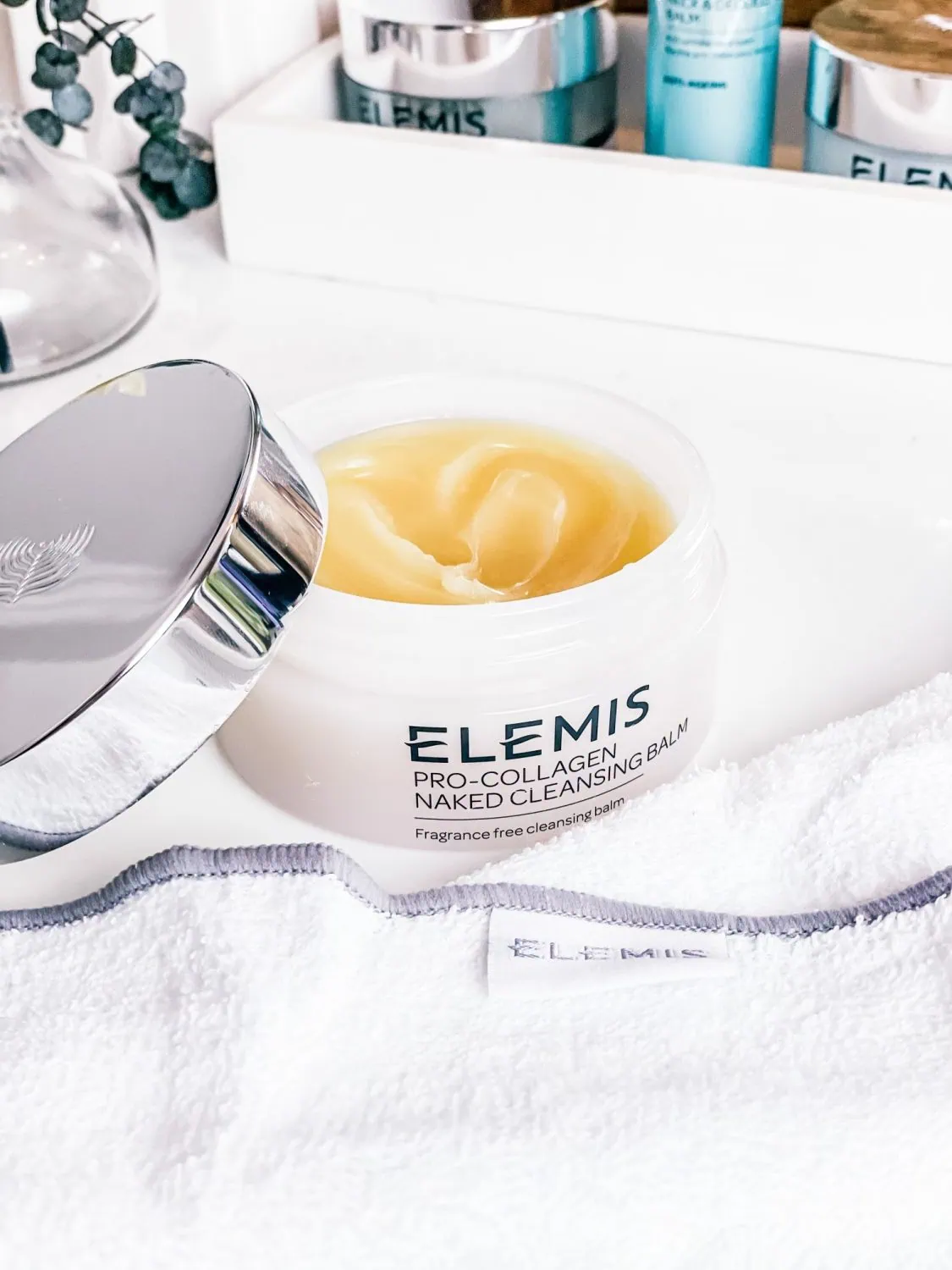
- Cleansing Balms: Oil-based balms that emulsify with water to remove makeup and sunscreen. A fantastic first cleanse, especially for dry or sensitive skin, as they don’t strip natural oils.
- Body Balms / Salves: Thicker than lotions, designed for very dry areas like elbows, knees, or feet. Often contain botanical extracts.
Picking the Right Balm for Your Skin’s SOS
Choosing a balm isn’t complicated once you know what your skin actually needs. It’s about matching the right occlusive and supporting ingredients to your specific problem. For me, it almost always comes back to simplicity and proven efficacy over trendy ingredients.
If your skin is just generally dry, especially in winter, a good multi-purpose healing ointment is your best friend. If you have eczema or extremely sensitive skin, ingredient lists become even more critical. Avoid added fragrances and botanicals unless you know your skin tolerates them well. My rule of thumb: fewer ingredients often mean less chance of irritation.
For Severely Chapped Lips
Don’t mess around with fruity, flavored lip balms that contain menthol or camphor – those just irritate and make the problem worse in the long run. My go-to is Lansinoh Lanolin Nipple Cream. Yes, it’s marketed for nursing mothers, but it’s 100% pure lanolin, no additives, and it’s the fastest way to heal chapped lips I’ve found. A 1.35 oz tube costs around $12. If lanolin isn’t your thing, Aquaphor Lip Repair (about $5 for 0.35 oz) is a close second, with petrolatum and soothing ingredients.
For Dry Patches and Cracked Skin
This is where the heavy hitters come in. My top pick, as mentioned, is Aquaphor Healing Ointment. A 14 oz jar usually runs about $15. It’s a blend of petrolatum, mineral oil, lanolin alcohol, panthenol, and glycerin. This combination not only locks in moisture but also helps to attract it and soothe the skin. I use it on everything: dry cuticles, cracked heels, rough elbows, even under my eyes in winter. Another excellent option is CeraVe Healing Ointment (5 oz for $12), which has a similar base but adds ceramides and hyaluronic acid, making it great for barrier repair.
For Cleansing Dry or Sensitive Skin
Cleansing balms are a if your face feels tight and stripped after washing. They dissolve makeup, sunscreen, and grime without sudsing agents that can dehydrate. I swear by Banila Co Clean It Zero Original Cleansing Balm (100ml for around $20). It melts everything away, rinses clean, and leaves my skin feeling soft, not taut. Farmacy Green Clean Makeup Removing Cleansing Balm ($36 for 100ml) is another fantastic, slightly more luxurious option, but Banila Co is my everyday champion for its price point and performance.
Common Balm Mistakes I See People Make
-
Applying to Dry Skin: The biggest mistake. Balms are occlusives; they seal. If you apply them to dry skin, they’re mostly sealing in that dryness. Always apply balms over slightly damp skin or after a hydrating toner/serum. This gives them something to “lock in.” I spray a bit of thermal water on my face before applying a thin layer of Aquaphor for “slugging.”
-
Using Too Much: A little goes a long way. Balms are concentrated. A pea-sized amount is usually sufficient for a large area like your face, and even less for lips. Over-applying just makes you feel greasy and can sometimes even lead to clogged pores for some skin types, though true balms are generally non-comedogenic.
-
Expecting Hydration From Them: Balms are not primarily hydrators; they are moisture retainers. They prevent water loss. If your skin is dehydrated (lacking water), you need to add water-based products first (toners, serums) and then seal them in with a balm. Thinking a balm will “moisturize” on its own is a misunderstanding of its function.
-
Not Patch Testing: Even simple balms can contain an ingredient someone is sensitive to. Lanolin is a common sensitizer for some. Always do a small patch test on your inner arm or behind your ear before slathering a new product all over your face or a large area of skin.
-
Ignoring Expiry Dates: While many balms are anhydrous and have long shelf lives, they can still go bad. Oils can become rancid, and active ingredients can degrade. Always check the PAO (Period After Opening) symbol – usually a little jar icon with “6M” or “12M” – and toss anything that smells off or has changed texture.
My All-Time Favorite Balms and Why
If you’re asking me what to buy, here’s my definitive list. These are products I’ve repurchased countless times, products I recommend to everyone, and products that consistently deliver results without breaking the bank. Don’t waste your money on overpriced alternatives when these classics exist.
1. Aquaphor Healing Ointment (14 oz jar, approx. $15): This is non-negotiable for anyone with dry skin. It’s my absolute desert island product. Petrolatum-based, with lanolin alcohol and panthenol for extra soothing and humectant power. It heals everything from chapped lips and dry patches to razor burn and minor scrapes. I use it for “slugging” – applying a thin layer as the last step in my evening routine – and wake up with incredibly soft skin. The texture is thick but spreads easily. It’s not glamorous, but it’s pure utility.
2. Lansinoh Lanolin Nipple Cream (1.35 oz tube, approx. $12): Forget fancy lip masks. This is 100% pure, medical-grade lanolin. It melts into the lips, providing an intense occlusive barrier that truly heals severe chapping overnight. It also works wonders on cracked cuticles or any tiny, persistent dry spots. The texture is thick and sticky, but that’s why it works. It’s also surprisingly versatile for minor skin irritations.
3. Weleda Skin Food Original Ultra-Rich Cream (2.5 oz tube, approx. $20): While technically a cream, its balm-like richness earns it a spot. It’s a cult classic for a reason. With sunflower oil, lanolin, beeswax, and botanical extracts like calendula, it’s incredibly nourishing and occlusive. I reach for this when my skin feels particularly depleted, or when I need a glowy, dewy finish. It’s fantastic as an overnight hand cream or for very dry areas on the body. Be aware of the strong herbal scent, which some love and some hate.
4. Banila Co Clean It Zero Original Cleansing Balm (100ml, approx. $20): This is my go-to for removing makeup and sunscreen. Its sherbet-like texture melts on contact, effortlessly dissolving even waterproof mascara without tugging. It emulsifies beautifully with water, rinsing clean without leaving a greasy film or stripping my skin. It’s a joy to use and has been a staple in my routine for years because it makes cleansing quick, effective, and gentle.
Balm Hacks and Unexpected Uses
Balms aren’t just for healing dry skin. Their unique texture and composition make them incredibly versatile. I’ve picked up some great tips over the years that go beyond the obvious. These are genuine uses that have saved me time and money.
Can I use a multi-purpose balm to prevent chafing?
Absolutely. A thick, occlusive balm like Aquaphor or Vaseline is excellent for preventing chafing, especially on inner thighs during warmer months or on feet before a long walk. Apply a generous layer to any areas prone to friction. It creates a smooth, protective barrier that significantly reduces irritation. I’ve used it for hiking, and it’s far more effective than many dedicated anti-chafing sticks.
How do balms help with eyebrow styling?
If you have unruly eyebrows, a tiny dab of a clear balm can work wonders. After brushing your brows into place, take a minuscule amount of a product like Vaseline or a clear lip balm on your fingertip or a clean spoolie. Gently press and sweep it over your brow hairs to set them in place. It offers a soft hold and a healthy sheen without the stiffness or flakiness of brow gels. It also makes them look a bit thicker.
Are balms good for taming flyaways?
Yes, they are! For those pesky flyaways around your hairline or frizz on humid days, a pea-sized amount of a light balm can be a savior. Rub it between your palms to warm and thin it out, then lightly smooth it over the areas that need taming. Be very careful not to use too much, or your hair will look greasy. Start with an almost invisible amount and build up if needed. It adds a little weight and shine, keeping things neat.
Can balms protect skin during harsh weather?
Definitely. When facing strong winds, extreme cold, or dry air, applying a thin layer of a protective balm to exposed skin (like cheeks and nose) can create a barrier against the elements. This is especially useful for activities like skiing or winter hiking. The balm shields your skin from moisture loss and windburn, preventing that raw, tight feeling. I’ve used it on my kids’ faces before playing outside in the cold.
Quick Picks for Different Budgets and Needs
To wrap things up, here’s a quick rundown of my top picks based on common needs. This isn’t exhaustive, but it covers the essentials for anyone serious about banishing dry skin.
| Need/Category | My Top Pick | Key Benefit | Approx. Price (2026) |
|---|---|---|---|
| Best All-Around Healing | Aquaphor Healing Ointment | Superior barrier repair, soothing, versatile | $15 for 14 oz |
| Severe Chapped Lips | Lansinoh Lanolin Nipple Cream | Pure lanolin, intense healing, fragrance-free | $12 for 1.35 oz |
| Budget-Friendly Staple | Vaseline Petroleum Jelly | Pure occlusive, highly effective, very cheap | $4 for 13 oz |
| Rich Facial Nourishment | Weleda Skin Food Original | Ultra-rich emollient, dewy finish, botanical | $20 for 2.5 oz |
| Gentle Makeup Remover | Banila Co Clean It Zero Original | Melts makeup effortlessly, rinses clean, non-stripping | $20 for 100ml |
| Barrier Repair Focus | CeraVe Healing Ointment | Petrolatum + Ceramides & HA, excellent for compromised skin | $12 for 5 oz |


Leave a Reply