
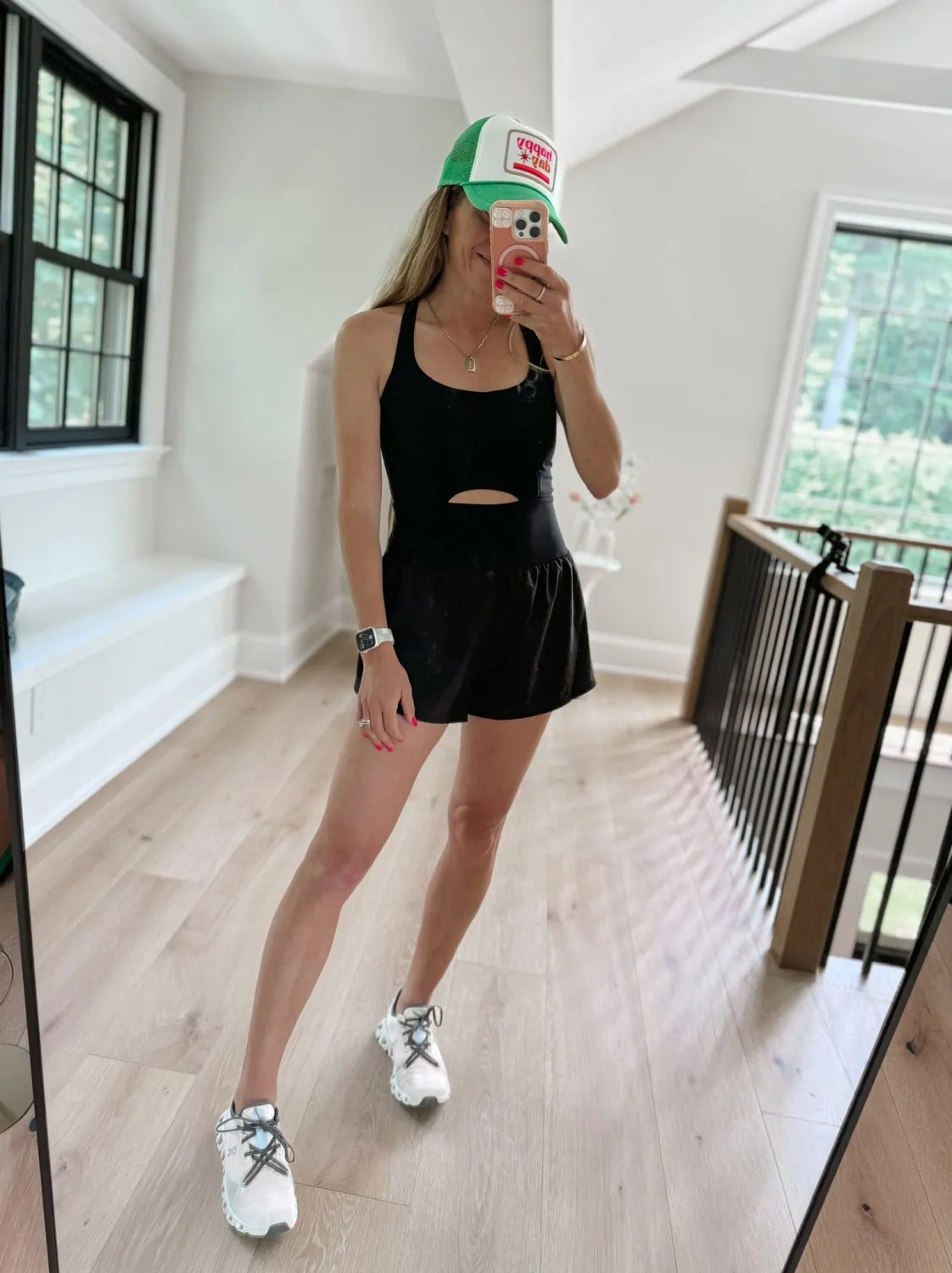
Listen up. Most of you are still showing up to the gym in the wrong gear, then complaining about discomfort or chafing. That stops now. Smart workout wear isn’t a luxury; it’s fundamental to actual performance and avoiding distraction. You need gear that works as hard as you do, not against you. Forget the trends if they don’t perform. Focus on function, fit, and fabric. Period.
Why Your Current Workout Clothes Suck (And What to Fix)
Let’s be blunt: if you’re still rocking cotton t-shirts for anything more intense than a leisurely stroll, you’re doing it wrong. Cotton absorbs sweat, holds it, and turns into a heavy, clammy mess. That’s a recipe for discomfort, chafing, and frankly, smelling terrible faster. Your workout gear needs to manage moisture, maintain temperature, and move with you. Anything less is just dead weight.
The biggest mistake? Prioritizing aesthetics over actual athletic engineering. You might look good for a minute, but two sets in, that non-technical fabric is failing you. Stop buying cheap, fast-fashion activewear that pills after two washes and loses its shape after three. Invest in pieces designed for purpose. It makes a difference, and anyone serious about their fitness knows it.
The Fabric Fallacy: Cotton is Death
For high-intensity workouts, cotton is your enemy. It’s hydrophilic, meaning it loves water. It soaks up sweat and holds it right against your skin. This not only feels gross but can also lead to chills when you cool down or overheating during activity. Technical fabrics, on the other hand, are engineered to wick sweat away from your body, allowing it to evaporate quickly. Look for materials like polyester, nylon, and blends with spandex (elastane) for stretch. Nike’s Dri-FIT, Under Armour’s HeatGear, and Lululemon’s Luon/Luxtreme are prime examples of fabrics that actively manage moisture. They pull sweat to the fabric’s surface where it can dissipate, keeping you drier and more comfortable. This isn’t marketing fluff; it’s basic science.
Compression: Not Just for Looks
Compression wear isn’t just about looking sleek. Properly designed compression garments can actually enhance performance and aid recovery. They work by applying targeted pressure to specific muscle groups, which can improve blood circulation, reduce muscle oscillation (the jiggling that occurs during high-impact movements), and potentially decrease muscle soreness post-workout. This means less fatigue during your session and faster recovery afterward. However, it’s crucial to get the fit right. Too tight, and you restrict movement and circulation. Too loose, and you lose the benefits entirely. Brands like Under Armour built their reputation on effective compression. Don’t dismiss it as a vanity item; it’s a legitimate performance tool.
Essential Gear: What You Actually Need to Buy
You don’t need a hundred different outfits. You need a few key pieces that perform. This isn’t about looking like an influencer; it’s about being prepared for your session. Here’s the non-negotiable list.
- Performance Tops: Ditch the oversized band tees. You need lightweight, moisture-wicking tops that allow for full range of motion. Look for flatlock seams to prevent chafing, especially around the arms and shoulders.
- Supportive Sports Bras: This is non-negotiable for anyone with breasts. One size does not fit all. Medium-impact for cycling, high-impact for running or HIIT. Get properly fitted.
- Functional Bottoms: Leggings, shorts, or joggers – choose based on activity and preference. Again, look for moisture-wicking fabric and a comfortable waistband that stays put. Pockets are a bonus for essentials.
- Technical Socks: Cotton socks are a blister factory. Invest in synthetic blends or merino wool socks designed to wick moisture, provide cushioning, and prevent friction.
Sports Bra Specifics: Support Matters
A poorly fitting sports bra is a direct path to pain and potential long-term damage. You need encapsulation (individual cups) for higher impact or compression (holding everything against the body) for lower impact, or a combination. The band around your rib cage, not the shoulder straps, should provide most of the support. It should be snug but not restrictive, and it shouldn’t ride up your back. Test it: jump, twist, raise your arms. If anything feels loose or uncomfortable, it’s the wrong bra. Brands like Brooks, Lululemon, and Athleta offer excellent, activity-specific options. Don’t skimp here; your chest will thank you.
Bottoms: Leggings vs. Shorts vs. Joggers
Your choice of bottoms depends heavily on your activity. For yoga or lifting, a high-waisted, squat-proof legging like Lululemon’s Align or Athleta’s Salutation Stash is ideal. They offer coverage and stay put. Running might call for lighter shorts, perhaps with a built-in liner to prevent chafing. Joggers are great for warm-ups or cooler weather, offering more relaxed fit while still being functional. Key features across all: breathable fabric, flat seams, and a waistband that doesn’t roll down. Nobody wants to be pulling up their pants mid-burpee.
Top Brands: Who Actually Delivers on Performance
There are a lot of brands out there making noise. Few consistently deliver on quality, durability, and actual performance benefits. Here’s who’s worth your money and why.
| Brand | Key Strength | Typical Price Point | Fabric Focus | Best For |
|---|---|---|---|---|
| Lululemon | Premium feel, exceptional fit, long-lasting | High ($$$) | Luon, Luxtreme, Nulu (buttery soft) | Yoga, Lifting, everyday athleisure, high-quality leggings |
| Nike | Innovation, wide range, reliable performance | Mid-High ($$) | Dri-FIT (moisture-wicking polyester) | Running, HIIT, training, general fitness |
| Under Armour | Compression, durability, weather-specific gear | Mid ($$) | HeatGear, ColdGear, Iso-Chill | Strength training, cold weather, high-intensity workouts |
| Athleta | Inclusive sizing, sustainable practices, versatile designs | Mid-High ($$) | Powervita, SuperSonic (recycled nylon) | Yoga, running, studio, everyday wear, travel |
| Gymshark | Trendy aesthetics, good value for performance | Mid ($) | Seamless knits, custom blends | Lifting, studio workouts, younger demographic |
Lululemon: Pricey, but Often Worth It
Yes, Lululemon is expensive. Get over it. For many, their leggings (like the Align or Wunder Train lines) are unparalleled in comfort, fit, and durability. The Nulu fabric in Align leggings feels like a second skin, perfect for yoga or low-impact activities. For higher intensity, the Luxtreme and Everlux fabrics in Wunder Train offer better compression and sweat-wicking. They last. The seams hold. They don’t pill easily if cared for properly. If you want a workhorse legging or sports bra that will see you through hundreds of workouts, you pay for it here. Consider it an investment, not an indulgence.
Nike & Under Armour: The Reliable Workhorses
You can’t go wrong with Nike or Under Armour for general training. Nike’s Dri-FIT technology is a staple for a reason: it works. Their tops, shorts, and leggings are consistently good performers across a huge range of activities, from running to basketball. Under Armour shines with its compression wear and gear designed for specific conditions, like their HeatGear for hot weather and ColdGear for winter workouts. They’re built tough and perform exactly as advertised. These are the brands you go to when you need solid, no-nonsense gear that won’t let you down.
Common Workout Wear Pitfalls to Avoid
Buying the right gear is only half the battle. Many people still mess up by making simple, avoidable mistakes. Stop doing these things if you want your workout wear to last and perform.
First, don’t ignore care instructions. Those technical fabrics are delicate. Throwing them in a hot wash with fabric softener and then into a high-heat dryer is literally destroying their moisture-wicking properties and elastic fibers. Wash cold, gentle cycle, and air dry or tumble dry low. Fabric softener clogs the fibers, making them less effective at wicking sweat. It’s not rocket science; read the tag.
Second, don’t buy solely on price. The cheapest option is almost always the least effective and least durable. You’ll end up replacing it three times over, spending more in the long run. Conversely, don’t assume the most expensive item is always the best. Look for value: a reputable brand, proper fabric composition, and construction that feels solid. Sometimes that $80 pair of leggings is genuinely better than the $30 pair, and sometimes it’s just a brand name. Learn the difference.
Finally, stop buying clothes that don’t fit. Too tight, and you restrict movement and create unflattering bulges. Too loose, and fabric bunches, chafes, and hinders performance. This isn’t about vanity sizing; it’s about optimal function. Your clothes should feel like a second skin, moving with you, not against you.
Ignoring Seams and Construction
Seriously, look at the seams. Cheap workout wear often uses overlock seams that can rub and chafe, especially in high-friction areas like the inner thighs or underarms. Quality activewear uses flatlock seams, which are flat against the skin and significantly reduce irritation. This might seem like a minor detail, but after an hour of running or an intense lifting session, those seemingly small construction differences are the difference between comfort and agony. Good stitching also indicates durability; poorly sewn seams unravel quickly under stress.
The ‘One Size Fits All’ Lie
There’s no such thing as ‘one size fits all’ in performance wear, especially for sports bras or compression gear. Brands use different fit models, and their sizing charts vary. Always check the specific brand’s size guide, and if possible, try items on. A medium from Nike might be completely different from a medium from Gymshark. Proper fit impacts everything: support, comfort, moisture-wicking efficiency, and even how long the garment lasts. Don’t guess; measure yourself if you’re buying online, and always read reviews about sizing.
Choosing the Right Fit and Why It Matters (More Than You Think)
Fit isn’t just about looking good; it’s about enabling your body to perform optimally. The wrong fit can impede movement, cause discomfort, and even affect your focus during a workout. This isn’t just about feeling snug; it’s about the garment acting as an extension of your body, not an obstacle. Proper fit ensures compression works where it should, wicking fabrics make contact with your skin, and seams don’t irritate. It’s a fundamental aspect of effective workout wear, and most people get it wrong.
What’s the optimal compression?
Optimal compression feels like a firm hug, not a tourniquet. It should be snug enough to feel supportive and smooth out muscle movement without restricting your blood flow or causing discomfort. You should be able to move freely through your full range of motion. If you feel pins and needles, or if the garment leaves deep red marks, it’s too tight. Good compression wear, like Under Armour’s HeatGear, should feel supportive without being painful. Aim for a second-skin feel, not a vice grip.
Should I size up or down for leggings?
Generally, stick to your true size for performance leggings. Sizing down might give you a ‘snatched’ look, but it often leads to uncomfortable digging, transparent fabric when squatting, and accelerated wear and tear on seams. Sizing up means the compression benefits are lost, and the fabric will likely bunch or slide down, forcing you to constantly adjust. The best leggings, such as Lululemon’s Wunder Train, are designed to fit true to size for their intended performance. If a legging is transparent when you squat in your true size, the problem isn’t your size; it’s the legging’s quality.
How do I test a sports bra for support?
Testing a sports bra is crucial. First, ensure the band is snug and level around your rib cage; it should provide about 80% of the support. The straps should be firm but not digging into your shoulders. Then, perform a series of movements: jumping jacks, burpees, arm circles. There should be minimal bounce or movement in your breasts. If there’s excessive movement or discomfort, the bra isn’t providing adequate support. Look for features like adjustable bands and straps for a customized fit. Don’t settle for ‘good enough’ here.
Stop overthinking this. You now know what matters: performance fabrics, proper fit, and brands that deliver. Stop buying garbage that fails you mid-workout. Get the right gear, and get to work.
Leave a Reply