
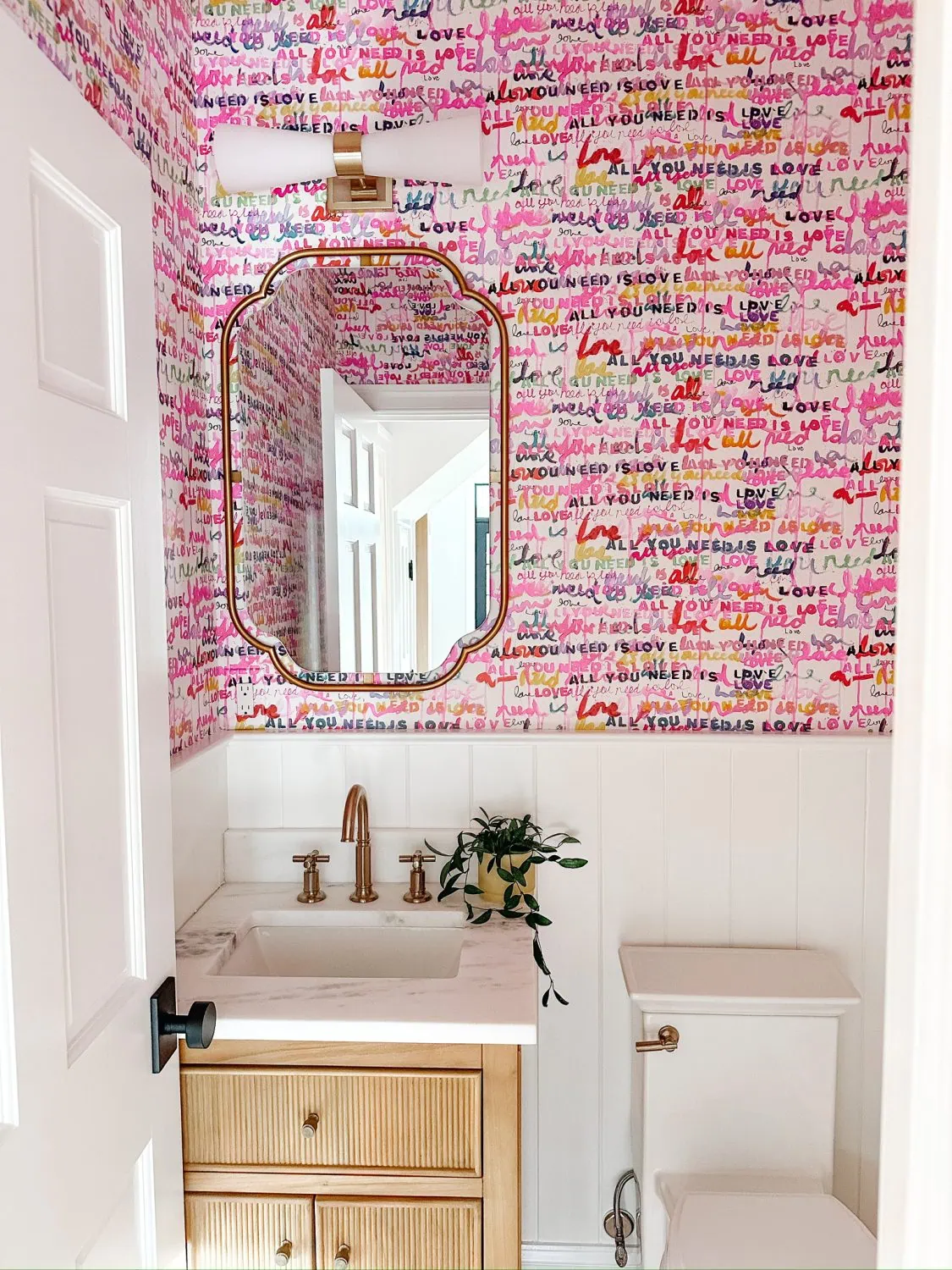
Alright, let’s cut to the chase. You’re probably looking at wallpaper because you want a statement, some texture, something beyond paint. And you’ve likely seen a hundred articles gushing about “temporary peel-and-stick options” making it all so easy. Here’s my first piece of advice, after years of installing and, more importantly, *removing* wallpaper: that’s a misconception. There’s no such thing as truly temporary wallpaper if you want it to look good and last. It’s all about understanding what you’re buying, how to prep, and what you’re getting into when it’s time for a change. Don’t fall for the marketing fluff. Invest wisely from the start, and you’ll thank me later.
Drop the “Temporary Wallpaper” Myth: It’s All About the Adhesive
People get hung up on the idea of “temporary” wallpaper, usually thinking about peel-and-stick. They imagine it floating off the wall perfectly clean in a year. I’m here to tell you: it rarely happens that way. The truth is, how easy wallpaper is to remove depends almost entirely on the adhesive type, your wall prep, and the wallpaper material itself. Not some magical “temporary” label.
Peel-and-Stick: The Good, The Bad, and The Sticky Residue
Peel-and-stick, often called removable or repositionable, uses a pressure-sensitive adhesive on the back. Yes, it’s easier to apply for beginners, which is a huge plus. You can pull it up and realign it without much fuss. Brands like Tempaper or Chasing Paper excel here, offering fantastic designs. However, my experience shows that over time, especially in rooms with temperature fluctuations like bathrooms or kitchens, that adhesive can cure. When you go to remove it a few years down the line, you might find sections of it stuck stubbornly, leaving behind a gooey residue. Or worse, it can pull off some of your paint, especially if your walls weren’t properly primed or if the paint job was poor to begin with. The idea of it being truly “temporary” is often a marketing overstatement.
Traditional Paste: My Go-To for a Permanent Finish
This is where most pros live. Traditional wallpaper requires you to apply a separate paste to the back of the paper or directly to the wall. This gives you much more control over the adhesion and allows for “booking” (folding pasted strips to let the adhesive activate) which results in a smoother, more durable bond. While it sounds more intimidating, modern traditional pastes like Roman PRO-880 are designed to be strippable. This means when it’s time to remove, you score the paper, wet it, and often it peels off in large sheets, leaving a clean wall. The key here is using a high-quality paste and, critically, proper wall preparation. A good paste and good prep mean removal is often *easier* and cleaner than with aged peel-and-stick.
Pre-Pasted: A Misleading Convenience
Pre-pasted wallpaper has dried adhesive applied to its back, which you activate by dipping the paper in water. It sounds like a great middle ground, but it’s often the trickiest. The activation can be inconsistent, leading to bubbles or areas that don’t stick well. The adhesive isn’t always as strong or as forgiving as a separate paste. And when it comes to removal, it can be unpredictable – sometimes stripping easily, sometimes flaking off in small, frustrating pieces. I generally steer clients away from pre-pasted unless they’re absolutely set on a specific design only available in that format, and even then, I recommend augmenting it with an adhesive like Roman PRO-999 for better adhesion.
Don’t Skimp on Prep: Your Walls Will Thank Me Later
This is where most DIY wallpaper projects go wrong, and it’s also where the “experienced user” really shines. I can’t stress this enough: your wallpaper will only look as good as the wall underneath it. Skipping or rushing wall preparation is the most common and costly mistake you can make. You can buy the most expensive, beautiful wallpaper on the planet, but if you put it on a dusty, uneven, or unprimed wall, it will look terrible, bubble, and potentially fall off. This isn’t just about sticking; it’s about lasting.
The Essential Cleaning and Repair Checklist
Before any wallpaper even touches your wall, you need to clean it thoroughly. Dust, grease, and grime are wallpaper’s worst enemies. Use a damp sponge with a mild detergent (like TSP substitute) to wipe down every inch, then rinse with clean water. Let it dry completely. Next, inspect for imperfections. Fill any holes or cracks with spackle. Sand down patched areas until they are perfectly smooth and flush with the wall. Even tiny bumps will show through wallpaper, especially thin or light-colored patterns. Take your time here. A perfectly smooth wall is half the battle won.
Priming: Not Just for Paint Anymore
This is a non-negotiable step, no matter what type of wallpaper you’re using. Priming your walls before wallpapering serves several crucial functions. First, it creates a uniform surface for the adhesive to grab onto, ensuring an even bond. Second, and just as important, it seals porous walls (like new drywall or previously unpainted surfaces) preventing the adhesive from soaking in too quickly, which can lead to dry spots and bubbles. Third, and vital for future removal, a good primer provides a protective layer that allows the wallpaper to be stripped without damaging your drywall or pulling off layers of paint. Don’t use a regular paint primer. You need a specific wallpaper primer/sealer like Zinsser Gardz or Roman PRO-999 RX-35. These are formulated to provide a slick, sealed surface that promotes adhesion and makes future removal dramatically easier. I apply two thin coats, letting each dry completely, usually overnight, for the best results. It adds an extra day to your project, but saves you days of headaches later.
Accurate Measuring: Save Money, Avoid Headaches
Nothing stings more than running out of wallpaper mid-project or having too much waste. Measure your walls precisely. Measure the height from floor to ceiling, and the width of each wall. Add 4-6 inches to each strip for trimming at the top and bottom. Account for pattern repeats – this is where many people mess up. If your wallpaper has a large pattern repeat (e.g., 20 inches), you’ll need extra material to ensure the pattern aligns seamlessly across strips. Always buy an extra roll or two beyond your calculations. Returns are easier than trying to match dye lots from a new batch. Most rolls come in standard sizes, like 20.5 inches wide by 33 feet long (56 square feet), but always check the specific product description.
Choosing Your Canvas: Material Types and Their True Durability
The material of your wallpaper impacts not only its look and texture but also its durability, ease of installation, and how well it holds up to wear and tear. Don’t pick solely based on aesthetics; consider the room and its usage. A high-traffic hallway needs something different than a low-traffic guest bedroom.
Non-Woven: The Modern Workhorse
This is, hands down, my favorite material for most applications. Non-woven wallpaper is a blend of natural and synthetic fibers, making it breathable, tear-resistant, and incredibly easy to work with. It’s often “paste-the-wall,” meaning you apply the adhesive directly to the wall, not the paper. This reduces mess and makes positioning much simpler. Brands like Graham & Brown’s Superfresco Easy line are fantastic examples. Non-woven is also strippable, meaning it comes off in full sheets when wet, leaving minimal residue. It’s durable enough for most rooms and a great choice for DIYers looking for a good balance of quality and ease.
Solid Vinyl: Tough, But Know Its Limits
Vinyl wallpaper is incredibly durable, washable, and resistant to moisture, making it ideal for bathrooms, kitchens, and commercial spaces. It comes in various textures and can mimic everything from fabric to stone. However, solid vinyl doesn’t breathe well. If installed incorrectly or in a very humid environment, it can trap moisture behind it, potentially leading to mold or mildew issues. Also, it can be heavier and slightly more challenging to cut cleanly. While highly functional, I’d caution against using solid vinyl in rooms that require breathability, or where you’re not absolutely confident in your prep and adhesive application. Always look for vinyl with a breathable backing if possible, or opt for a vinyl-coated paper which offers some of the benefits without being completely impermeable.
Grasscloth & Natural Fibers: For the Patient Installer Only
For sheer texture and organic beauty, nothing beats grasscloth, jute, or other natural fiber wallpapers. They bring incredible warmth and sophistication to a space. However, they are temperamental. Natural fibers can be fragile, showing seams more prominently, and often require a very specific, slow application process. They are not washable, can be difficult to trim without fraying, and can stain easily. They also often come in smaller roll sizes, increasing the cost per square foot. If you’re going for this look, be prepared for a challenging install and consider hiring a pro. Brands like Thibaut offer stunning natural fiber options, but they’re an investment in both cost and effort.
My Go-To Wallpaper Brands for Any Project (2026)
After years of wrestling with various products, these are the brands I consistently recommend. They balance quality, price, and ease of use for different skill levels and project types. You get what you pay for in wallpaper, but these offer genuine value.
Best for First-Timers: Tempaper Removable Wallpaper
If you’re truly new to wallpaper and want to test the waters, Tempaper is a solid choice for peel-and-stick. Their designs are trendy, and the material is forgiving for repositioning. Just remember my earlier warning about long-term removal. For a temporary decor refresh in a low-humidity room, it’s great. Expect to pay around $0.60 – $0.80 per square foot, depending on the pattern. They offer rolls typically 20.5 inches by 16.5 feet (28 sq ft).
Best for Durability & Value: Graham & Brown Superfresco Easy
This is my workhorse recommendation for most homeowners. Their Superfresco Easy collection is non-woven, paste-the-wall, and incredibly user-friendly. The patterns are varied, from subtle textures to bold geometrics, and the quality is excellent for the price point. It’s durable, washable, and genuinely strippable. For a lasting, high-quality finish without breaking the bank, this is where I’d send most people. Prices usually range from $0.45 – $0.65 per square foot, with rolls typically 20.5 inches by 33 feet (56 sq ft).
Best for High-End Custom: Spoonflower Woven Wallpaper
When clients want something truly unique, like their own art or a specific pattern, Spoonflower is the answer. They offer various materials, but their “Woven” option is a non-pasted, non-woven fabric that feels luxurious. You apply it with a clear, heavy-duty paste. The print quality is exceptional, and the ability to customize is unmatched. This is a step up in installation difficulty from Graham & Brown because it’s not pre-pasted or paste-the-wall, but the results are stunning. Expect to pay around $0.75 – $1.00+ per square foot for their Woven option, often sold in panels or custom roll lengths.
| Feature | Tempaper Removable | Graham & Brown Superfresco Easy | Spoonflower Woven |
|---|---|---|---|
| Type | Peel-and-Stick | Non-Woven (Paste-the-Wall) | Non-Pasted Non-Woven |
| Ease of Install | Very Easy (Repositionable) | Easy (Paste-the-Wall) | Moderate (Separate Paste Needed) |
| Durability | Good (Low-traffic) | Excellent (High-traffic) | Excellent (High-traffic) |
| Removal | Good (Can leave residue long-term) | Excellent (Strippable) | Good (Strippable with proper paste) |
| Price/Sq Ft (Approx.) | $0.60 – $0.80 | $0.45 – $0.65 | $0.75 – $1.00+ |
| Best For | Short-term decor, renters | General purpose, DIYers, durability | Custom designs, unique spaces |
Forget “Temporary”: Invest in Quality for Long-Term Satisfaction
In the world of wallpaper, the term “temporary” is a red herring. What truly matters for both installation and future removal is the quality of your adhesive, the meticulousness of your wall prep, and the material of the wallpaper itself. Don’t compromise on primer, choose a material suited for your room’s needs, and select a wallpaper with a reputable adhesive system. You’ll avoid frustration, get a beautiful result, and save yourself a ton of headaches down the line.
Leave a Reply