
If you are looking for the absolute bottom line before we get into the technical weeds: do not put anything on your head for at least 7 to 10 days, and when you finally do, reach for a wide-brimmed bucket hat made of 100% breathable cotton or a loose-fitting adjustable snapback. The period immediately following a hair transplant is a high-stakes waiting game where the primary goal is avoiding friction. Your new grafts are essentially tiny, delicate seedlings that have been planted into a fresh landscape; any snag, rub, or pressure can dislodge them, effectively throwing your investment down the drain. While it is tempting to cover the scabs and redness immediately, patience is the only accessory that actually guarantees a good result.
I have spent a significant amount of time analyzing the recovery protocols of top-tier clinics and cross-referencing them with textile science to understand why certain hats work while others fail. It isn’t just about the shape of the hat. It is about the friction coefficient of the fabric, the depth of the crown, and the way the internal sweatband interacts with the recipient area. If you rush the process, you risk ‘folliculitis’ or graft loss. If you choose the wrong material, you risk pulling out a graft that hasn’t fully anchored yet. This guide breaks down the specific headwear choices that balance the need for concealment with the absolute necessity of graft safety.
When can you safely wear a hat after a hair transplant?
The timeline for wearing a hat is not a suggestion; it is a biological requirement based on how the skin heals. During the first 72 hours, your grafts are held in place by nothing more than dried blood and fibrin. They are incredibly vulnerable. By day five, the body begins to form more permanent connective tissue, but the grafts are still not fully ‘anchored.’ Most surgeons agree that the 10-day mark is the ‘safe zone’ where grafts are considered permanent parts of your scalp. However, even at 10 days, the skin is still inflamed and sensitive to pressure.
I recommend a tiered approach to headwear. From day 0 to day 7, you should ideally wear nothing. If you must go outside, a very loose surgical cap or a hood that does not touch the scalp is the only option. From day 7 to day 14, you can introduce a loose-fitting bucket hat. Only after the 14-day mark should you even consider a structured baseball cap or a beanie. Even then, you must be hyper-aware of how you put the hat on and take it off. A single careless ‘tug’ to adjust the fit can scrape a line of grafts right off your forehead.
| Recovery Phase | Recommended Headwear | Risk Level |
|---|---|---|
| Days 0-5 | None (or loose hood) | Extreme – Grafts are not anchored |
| Days 6-10 | Loose Bucket Hat / Fedora | High – Friction can still dislodge grafts |
| Days 11-21 | Adjustable Snapback / Loose Beanie | Moderate – Scalp sensitivity is high |
| Day 21+ | Standard Baseball Caps / Fitted Hats | Low – Grafts are secure |
One detail that often gets overlooked is the difference between FUE (Follicular Unit Extraction) and FUT (Follicular Unit Transplantation) recoveries. With FUT, you have a linear donor scar at the back of the head. A hat that sits too low or has a tight elastic band can put direct pressure on that incision, causing pain or even stretching the scar. If you had an FUT procedure, you need to look for hats with a higher ‘cut’ at the back or a soft, padded sweatband that won’t bite into the stitches.
Best hat styles for graft protection and concealment
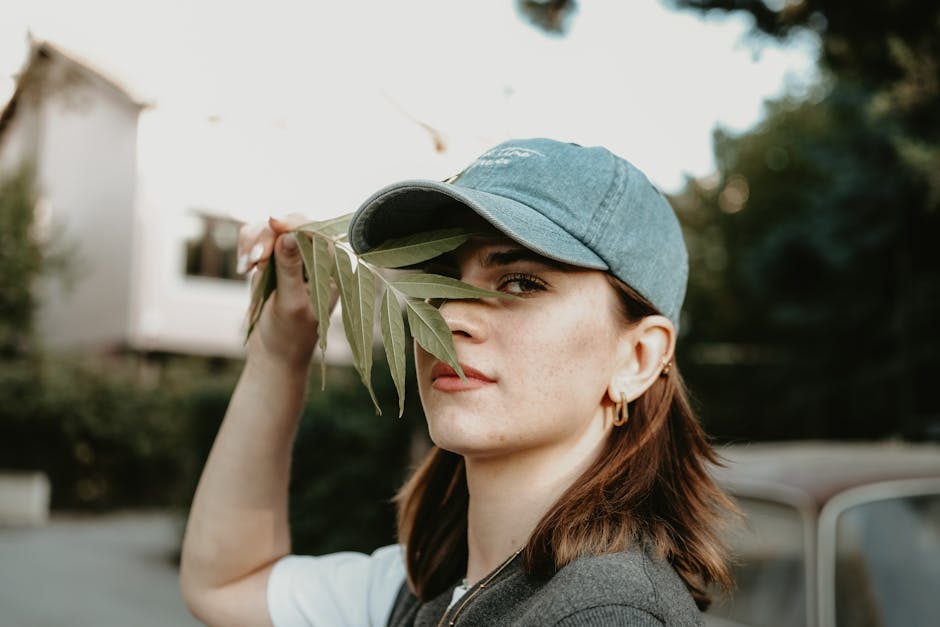
When selecting the best hats post hair transplant, the ‘Bucket Hat’ is the undisputed heavyweight champion. Why? Because it has a deep crown that usually doesn’t touch the top of the head if sized correctly, and the brim provides 360-degree sun protection. Sun exposure is a major enemy of a healing scalp; UV rays can cause hyperpigmentation in the tiny scars where the grafts were placed, leading to a ‘spotted’ look that takes months to fade. A bucket hat solves both the concealment and the protection problem simultaneously.
The Tilley LTM6 Airflo (Approx. $95)
The Tilley LTM6 is often cited as the gold standard for post-surgical headwear. It is built with a wide brim and a crown that is intentionally designed to sit slightly higher than a standard cap. The ‘Airflo’ mesh at the top allows heat to escape—crucial because sweating can lead to itching and infection in the recipient area.
Pro: UPF 50+ protection and a non-absorbent foam liner that doesn’t harbor bacteria.
Con: It is significantly more expensive than a standard hat and has a very ‘outdoorsy’ aesthetic that might not fit everyone’s style.
The Loose-Knit Cotton Beanie (Approx. $15-$25)
If you are recovering in a colder climate, a beanie seems like the natural choice, but you have to be careful. Most beanies are made of wool or acrylic blends that are ‘toothy’—meaning the fibers can hook onto a scab and pull it off. If you choose a beanie, it must be 100% cotton or silk-lined. It should also be oversized so that it ‘slumps’ rather than clings.
Pro: Excellent for hiding the donor area at the back and sides.
Con: High risk of snagging if the scabs haven’t fully fallen off yet.
The Adjustable Snapback (Approx. $25-$40)
I generally tell people to avoid fitted hats (like the New Era 59FIFTY) for at least a month. A fitted hat provides constant, unyielding pressure. An adjustable snapback, however, allows you to set the hat to its largest setting so it rests gently on the ears rather than the scalp. Look for ‘trucker’ styles with mesh backs, as these provide the best ventilation for the donor area.
Pro: Familiar style that blends in easily.
Con: The internal front panel is often stiff and can rub against the hairline grafts.
Always check the inside of the hat for loose threads or exposed seams before putting it on. A single loose thread can wrap around a graft like a snare, leading to a very bad day when you go to take the hat off at night.
Material science: Choosing fabrics that won’t irritate your scalp
The fabric of your hat is just as important as the shape. After a transplant, your scalp is effectively an open wound for the first few days, and then it becomes a giant scab. You want materials that are ‘low-lint’ and ‘high-breathability.’ Cotton is a solid choice because it is soft and washable, but not all cotton is created equal. A heavy, brushed twill might be too abrasive. Look for lightweight poplin or pima cotton.
Silk and satin are the secret weapons of the hair transplant recovery world. Many high-end recovery caps are lined with silk because the fibers are incredibly smooth. Friction is the enemy of the graft, and silk has the lowest friction coefficient of any natural fiber. If you can find a hat with a silk lining, or if you are willing to sew a silk patch into the front of a standard baseball cap, you will significantly reduce the risk of mechanical damage to the hairline. This is especially important during the ‘shedding phase’ (weeks 3 to 8), when the newly transplanted hairs fall out to make way for new growth. During this time, the scalp can remain quite tender.
Synthetic fabrics like polyester and nylon should be approached with caution. While they are great for moisture-wicking, they can sometimes be ‘scratchy’ at a microscopic level. If you choose a performance hat, ensure it is specifically marketed as ‘seamless’ or ‘soft-touch.’ Avoid anything with a heavy plasticized logo on the inside or a rough, embroidered ‘buckram’ (the stiff fabric used to reinforce the front of many caps). That buckram is like sandpaper to a fresh graft.
Hygiene is the final piece of the material puzzle. You are going to be oozing a bit of serous fluid and perhaps a little blood in the first few days. Your hat will get dirty. You need a hat that can be washed frequently without losing its shape. This is another reason why cotton bucket hats win—you can toss them in a gentle cycle or hand-wash them with baby shampoo (the same stuff you’ll be using on your head) to keep the environment sterile. A dirty hat is a fast track to an infection, which can kill grafts and leave permanent scarring.
How to safely put on and take off your hat

Even if you have the perfect hat, the way you interact with it can determine the success of your transplant. Most of us have a ‘habit’ of how we put on a hat—usually by placing the front on our forehead and pulling the back down. This is the worst possible motion for a new hairline. You are essentially dragging the fabric across the most delicate grafts. Instead, you need to learn the ‘Drop and Lift’ method.
- The Drop: Hold the hat by the brim with both hands. Expand the opening as wide as possible. Lower it straight down onto the head, ensuring the front of the hat clears the hairline entirely before making contact.
- The Check: Once the hat is on, do not ‘wiggle’ it to find a comfortable spot. If it feels wrong, lift it straight up and try again. Any lateral movement is dangerous.
- The Lift: To remove the hat, use both hands to grab the sides (near your ears). Pull the sides outward to create clearance, then lift the hat straight up toward the ceiling. Do not slide it off toward the back or front.
It sounds paranoid, but I have seen reports of patients losing dozens of grafts because they forgot they were wearing a hat and yanked it off quickly to answer the door or greet a friend. It takes about 10 days for the body to produce enough collagen to ‘glue’ those follicles into the scalp. Until then, you have to treat your head like a wet oil painting. If you touch it, you smear it.
Another tip: wear your hat as little as possible. While you want to hide the ‘evidence’ of the surgery, the scalp heals faster when it is exposed to air. Oxygen is a vital component of the healing process. If you are at home, leave the hat off. If you are in a private office, take it off. Use the hat as a tool for public transition, not as a permanent 24/7 bandage. Constant hat-wearing can also create a warm, humid microclimate on your scalp, which is the perfect breeding ground for bacteria. Keep it clean, keep it loose, and keep it off whenever you can.
Final considerations for long-term scalp health

As you move past the one-month mark, your concerns shift from ‘dislodging grafts’ to ‘protecting the environment.’ The skin in the recipient area will likely remain pink for several months. This is a sign of increased blood flow (which is good) but also a sign that the skin is thin and vulnerable. If you get a sunburn on that pink skin, you are risking permanent damage to the follicles. This is why a hat remains your best friend for the first six months, even after the hair starts to grow in.
I recommend looking for hats with a ‘dark under-brim.’ This is a trick used by professional baseball players and fishermen to reduce glare. For a hair transplant patient, a dark under-brim absorbs reflected UV rays from the ground or water, providing an extra layer of protection for the face and the hairline. It’s a small detail that makes a big difference if you’re spending a lot of time outdoors during your recovery summer.
Ultimately, the best hat post hair transplant is the one that you feel comfortable in and that follows the ‘no-contact’ rule for the first two weeks. Whether you choose a high-end Tilley or a basic cotton bucket hat from a local shop, the principles remain the same: prioritize breathability, minimize friction, and respect the biological timeline of your body. Your hair transplant is a marathon, not a sprint. The hat you choose is just a temporary bridge to the permanent results you’re waiting for. Treat your scalp with the same care you’d give to any other major investment, and by this time next year, you won’t feel the need to wear a hat at all.