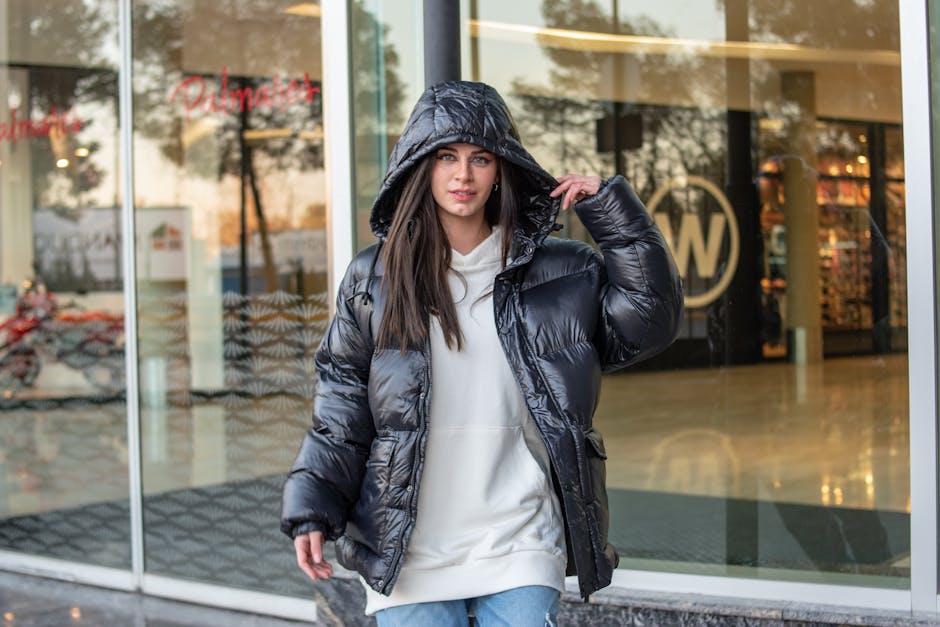
You’re scrolling through Reddit. Someone’s complaining their new puffer ripped after a month. Another user is praising a jacket that keeps them warm in minus-degree weather. It’s hard to tell what’s actually good. How do you find the really high-quality ones? The jackets that last, keep you genuinely warm, and don’t just drain your wallet for a logo?
Finding the best quality puffer jacket means looking beyond the hype. Reddit communities, especially those focused on outdoor gear and fashion, offer a goldmine of real-world experiences. They highlight what works, what fails, and where to invest your money for genuine warmth and durability. This guide cuts through the noise. It tells you exactly what to look for and which jackets consistently earn top marks from actual users.
Understanding Puffer Jacket Insulation: Down vs. Synthetic
The core of any puffer jacket is its insulation. This is what keeps you warm. There are two main types: natural down and synthetic fill. Each has strengths and weaknesses that Reddit users weigh heavily when recommending a jacket. Knowing the difference is your first step to a smarter purchase.
Down insulation, typically from ducks or geese, is prized for its exceptional warmth-to-weight ratio. It’s incredibly light and compressible, making it ideal for packing. Synthetic insulation, made from polyester fibers, performs better when wet and often costs less. Reddit discussions often revolve around balancing these factors against specific use cases, like hiking in damp conditions versus dry, extreme cold.
Decoding Fill Power Numbers
When you see “fill power” (FP) on a down jacket, it refers to the quality of the down. Specifically, it’s the volume one ounce of down occupies in cubic inches. Higher fill power means the down can trap more air, providing more warmth for its weight. For example, a 700 FP jacket is warmer than a 500 FP jacket with the same amount of down by weight.
Reddit users generally consider 600-700 FP good for everyday winter use. For serious cold or lightweight performance, 800 FP and above is often recommended. Don’t confuse fill power with the total amount of down. A jacket might have high fill power but very little down, making it less warm overall. Always check for both.
Synthetic Insulation Breakthroughs
Synthetic insulation has come a long way. Brands like PrimaLoft and Thinsulate offer proprietary fills that mimic down’s warmth and compressibility, but with a critical advantage: they retain most of their insulating properties even when wet. This is a huge plus for rainy climates or activities where you might sweat a lot.
While synthetic options often don’t match down’s warmth-to-weight ratio, their performance in damp conditions makes them a go-to for many Redditors. They are also typically hypoallergenic and easier to care for. For jackets you’ll wear in wet snow or drizzle, a quality synthetic fill is often the smarter choice.
| Feature | Down Insulation | Synthetic Insulation |
|---|---|---|
| Warmth-to-Weight | Excellent (especially higher fill power) | Good, but heavier for equivalent warmth |
| Performance When Wet | Loses insulating power significantly | Retains significant warmth |
| Compressibility | Highly compressible (packs small) | Good, but less so than high-quality down |
| Cost | Generally higher | Generally lower |
| Durability (with proper care) | Very long-lasting | Can flatten over time with washing/wear |
| Care Instructions | More delicate, requires specific washing/drying | Easier to wash and dry |
Shell Fabric and Durability: What Reddit Users Prioritize

Beyond the insulation, the outer shell fabric is crucial for a puffer jacket’s longevity and performance. Reddit communities frequently discuss the trade-offs between lightweight materials for packability and robust fabrics for enduring harsh conditions. A cheap shell will rip, snag, or soak through, no matter how good the insulation is inside.
Understanding terms like denier, ripstop, and DWR coatings helps you evaluate a jacket’s true resilience. Many complaints about new puffers failing quickly often point back to thin, inadequate shell materials. Pay attention to what materials are used and how they’re constructed. This directly impacts how long your jacket will stand up to daily wear and tear.
Denier Ratings and Tear Resistance
Denier (D) is a unit of measurement that describes the linear mass density of fibers. In simpler terms, a higher denier number indicates a thicker, more durable yarn. For puffer jacket shells, you’ll often see denier ratings ranging from 10D to 70D or even higher for more robust expedition parkas.
A 10D shell, like those found on ultralight backpacking puffers, is incredibly light and compressible but highly susceptible to snags and tears. For everyday urban use or light outdoor activities, most Redditors recommend a minimum of 20D to 30D. If you’re hitting trails, skiing, or need something genuinely rugged, look for 40D to 70D nylon or polyester. These fabrics offer a significant increase in tear and abrasion resistance, crucial for longevity.
DWR Coatings: What They Do and How to Maintain Them
Many puffer jackets feature a Durable Water Repellent (DWR) coating on the outer fabric. This isn’t full waterproofing, but it makes water bead up and roll off the surface, preventing the fabric from becoming saturated. This helps the insulation stay dry and allows the jacket to breathe.
Over time, DWR coatings wear off due to dirt, abrasion, and washing. When water stops beading and starts soaking into the fabric, it’s time to reapply. You can purchase DWR sprays or wash-in treatments from brands like Nikwax or Granger’s. Applying these annually or as needed ensures your jacket maintains its water resistance and overall performance. Always follow the product instructions carefully to protect your jacket’s integrity.
Common Zipper and Seam Issues
Even with excellent insulation and a durable shell, a puffer jacket is only as strong as its weakest link. Zippers and seams are common failure points. Cheap zippers can snag, break, or split, rendering the jacket practically useless. Look for YKK zippers, which are widely considered the industry standard for reliability. Two-way zippers are a bonus for ventilation and comfort.
Seam quality is also critical. Well-constructed seams should be even, reinforced in high-stress areas, and free of loose threads. On waterproof or water-resistant jackets, critical seams might be taped to prevent moisture ingress. Inspect these details before buying, as a compromised seam can quickly lead to insulation loss or water penetration.
Top-Tier Puffer Jackets: Reddit’s Consensus on Performance and Investment
If you’re looking for serious warmth, durability, and a jacket that will perform reliably in extreme conditions for years, Reddit consistently points towards a few key players. These aren’t cheap, but they are investments that pay off in comfort and longevity. They offer proven performance and stand up to truly harsh winters. You get what you pay for in this category.
For unmatched warmth and a robust build, the **Canada Goose Expedition Parka** is a frequent mention, especially for those in frigid climates. If you need a versatile, high-performance jacket for technical outdoor use, **Arc’teryx** is almost always recommended. And for reliable, ethical down with a strong environmental ethos, **Patagonia** jackets are a community favorite.
Canada Goose Expedition Parka ($1,895)
This is the benchmark for extreme cold. The Canada Goose Expedition Parka is built for arctic conditions, featuring 625-fill power white duck down, a durable Arctic Tech shell fabric, and a removable coyote fur ruff (or ethically sourced, non-fur alternatives now). It’s oversized, designed for layering, and includes multiple pockets for gear. Redditors in places like Winnipeg or Alaska swear by its warmth, often citing its ability to withstand -30°F temperatures comfortably. The cost is high, but users report these jackets lasting 10+ years with proper care, justifying the initial investment for those who truly need it.
Arc’teryx Thorium Hoody ($350)
For a lighter, more athletic fit that still delivers impressive warmth, the Arc’teryx Thorium Hoody is a top recommendation. It combines 750-fill power European grey goose down in the main body with synthetic Coreloft insulation in areas prone to moisture (hood, cuffs, underarms). This hybrid approach provides excellent warmth-to-weight and better wet-weather performance. It uses a durable Arato 30 nylon shell with a DWR finish. Reviewers on Reddit praise its mobility, packability, and performance for everything from hiking to everyday wear in cold, dry conditions, typically down to 10°F.
Patagonia Down Sweater ($279)
The Patagonia Down Sweater is a classic for a reason. It uses 800-fill power Advanced Global Traceable Down, ensuring ethical sourcing. Its lightweight 100% recycled polyester ripstop shell has a DWR finish, providing good wind and water resistance. It’s an excellent mid-layer or stand-alone jacket for mild to moderately cold, dry weather (around 20-40°F). Reddit users appreciate its versatility, comfortable fit, and Patagonia’s ironclad warranty. It’s a solid, everyday workhorse that many consider the best all-around value for a high-quality down jacket.
Proper Puffer Care: Extending Your Jacket’s Lifespan

A high-quality puffer jacket is an investment. Protecting that investment means knowing how to properly care for it. Incorrect washing or storage can ruin insulation, reduce loft, and compromise the shell fabric. Many Reddit threads lament ruined jackets due to improper care. Following these steps ensures your puffer stays warm, lofty, and functional for years.
Step 1: Pre-Wash Checks and Spot Treatment
- Empty Pockets: Remove everything. Check every zipper.
- Close Zippers and Fasteners: Zip up all main zippers, pockets, and close any velcro tabs. This prevents snags and damage during the wash cycle.
- Turn Inside Out: This helps protect the outer shell fabric.
- Spot Treat Stains: Use a small amount of mild soap (like Nikwax Down Wash Direct or Grangers Down Wash) directly on any visible stains. Gently rub with a soft brush or cloth. Avoid harsh detergents or bleach.
Step 2: Machine Washing Instructions (Down vs. Synthetic)
The washing process differs slightly for down and synthetic. Always use a front-loading washing machine, as agitators in top-loaders can damage insulation. Use cold water on a delicate or gentle cycle.
- For Down Puffers: Use a specialized down-specific soap, not regular detergent. Regular detergents can strip natural oils from down, reducing its loft. Add two clean tennis balls or dryer balls to the machine – these help agitate the jacket and prevent down clumping.
- For Synthetic Puffers: You can use a small amount of mild liquid detergent. Dryer balls are optional here but can still help with even washing.
Step 3: Drying to Restore Loft
Drying is the most critical step for puffers. Improper drying can leave down clumped or synthetic fill flattened. This reduces warmth.
- Gentle Tumble Dry: Transfer the jacket to a large dryer. Use a low heat or air-dry setting. High heat can melt synthetic fabrics or damage down.
- Add Dryer Balls: Add 3-5 clean tennis balls or wool dryer balls. These will gently beat the jacket as it tumbles, breaking up clumps of down and restoring loft.
- Cycle and Fluff: Dry for a long time. This can take several hours, often 3-5 cycles. Every 30 minutes, pull the jacket out, manually fluff it, and redistribute the insulation. You’ll feel clumps. Break them apart with your fingers.
- Check for Dampness: Ensure the jacket is completely dry inside and out. Any residual moisture can lead to mildew or degradation of the insulation.
Finding Quality on a Budget: Reddit-Approved Affordable Puffers
You don’t need to spend a fortune to get a decent puffer jacket. Reddit users frequently highlight budget-friendly options that still deliver impressive warmth and reasonable durability for their price point. The trick is managing expectations and understanding where compromises are made. These jackets are great for daily wear, milder winters, or as extra layers without breaking the bank.
Can I get a warm puffer for under $100?
Absolutely. Brands like Uniqlo and Decathlon consistently receive praise for their value-for-money puffers. While they won’t offer the extreme warmth or bombproof durability of a Canada Goose, they provide excellent insulation for most urban and casual use cases. You might see lower fill power down or less robust shell fabrics, but they often surprise users with their performance.
For example, the Uniqlo Ultra Light Down Parka ($80) is a perennial Reddit favorite. It’s incredibly lightweight, packs down tiny, and provides surprising warmth for its low price. It uses 640 fill power down and is a perfect layering piece or a stand-alone jacket for temperatures down to about 40°F. For casual wear, commuting, or travel, it’s hard to beat its value.
What’s the best value synthetic puffer?
When it comes to synthetic, the Decathlon Forclaz Trek 100 Hooded Down Padded Jacket (often around $60-70, despite “down” in the name, they offer both down and synthetic versions for similar prices) is frequently mentioned. It uses recycled synthetic wadding and is designed for trekking in cold weather. Redditors praise its warmth, water resistance, and packability for the price. It’s a robust choice for activities where dampness is a concern, and you don’t want to risk expensive down. It’s comfortable down to about 30°F.
Are store-brand puffers ever worth it?
Sometimes. Brands like Amazon Essentials offer very basic puffers, often in the $40-50 range. These are typically synthetic, sometimes with lower-quality down, and minimal features. Reddit consensus suggests they are fine for very mild conditions, as a car coat, or as an emergency layer. They lack the durability, warmth, and refined fit of even mid-range options. For genuine quality, even on a budget, sticking to brands known for outdoor gear (like Decathlon) or established casual wear (like Uniqlo) usually provides a better experience.
The Ultimate Test for a Puffer’s True Warmth
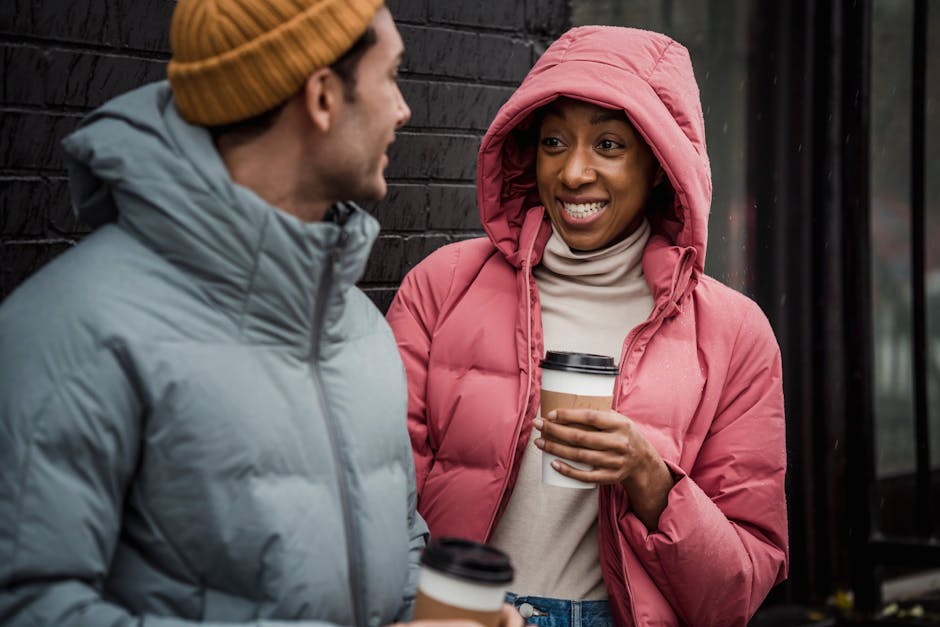
Specs, fill power, and brand reputation are great starting points. But the single most important factor for a puffer’s true warmth and effectiveness isn’t found on a tag: it’s how it performs in *your* specific environment. No number can perfectly predict how a jacket will feel on you in your local weather. Test it out. Wear it outside in the conditions you expect to face. That’s the only real way to know if it delivers.
Choosing a quality puffer jacket means understanding the core components – insulation, shell fabric, and construction – and matching them to your needs. Reddit provides a candid, no-nonsense look at what actually works for real people. By focusing on these practical aspects, you can confidently pick a jacket that will keep you warm and last for many winters to come. The right puffer becomes a trusted companion against the cold, not just another piece of clothing.