
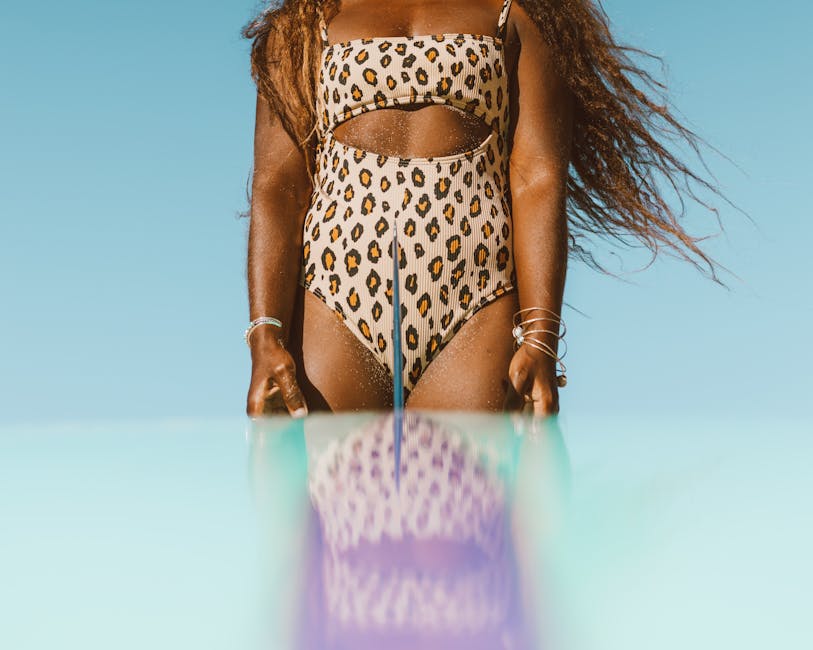
Looking for the absolute best Japanese swimwear brands? You’ve come to the right place. I’ve spent years wading through countless options, from the cheap and cheerful to the ridiculously overpriced. Trust me, I’ve made all the mistakes, bought the suits that fall apart after three dips, and learned what truly holds up. My closet has seen more Japanese swimwear than I care to admit, and I’m here to tell you exactly what’s worth your money and what to skip.
This isn’t about trends or what’s ‘in’ this season. This is about quality, durability, and a fit that actually works for real bodies in real water. I’m giving you the straight talk, based on my own wallet and my own experiences. Don’t waste your time with brands that promise the moon and deliver nothing but saggy fabric. I’ve narrowed it down to the ones that genuinely impress.
What I Look For in Japanese Swimwear (And Why You Should Too)
My philosophy on swimwear is simple: it needs to work as hard as I do. I’m not just lounging by a pool; I’m swimming laps, playing in the ocean, and enduring countless hours under the sun. So, when I evaluate Japanese swimwear, I’m looking for a specific set of criteria that goes way beyond just looking good. If a suit doesn’t meet these standards, it’s a pass for me. You should adopt a similar mindset if you want swimwear that lasts.
Chlorine Resistance is Non-Negotiable
This is probably my number one rule. I learned this the hard way, watching expensive suits lose their elasticity and vibrancy after a few too many laps in chlorinated pools. Many brands skimp on fabric quality, and it shows. The elasticity breaks down, the color fades, and suddenly your perfectly fitting suit feels baggy and sad. I always check for fabrics specifically designed to resist chlorine degradation. Look for terms like ‘Endurance’ or ‘Toughsuit’ in their product descriptions. These aren’t just marketing buzzwords; they usually signify a higher blend of PBT (Polybutylene Terephthalate) or specific polyamide weaves that stand up to harsh chemicals. A suit costing ¥8,000 that lasts two seasons is a far better investment than a ¥4,000 suit that’s toast after two months. This is especially true if you’re a regular pool user.
Fit: It’s More Than Just Size
Japanese sizing can be tricky, but beyond the numbers, I’m looking for a cut that stays put. No constant tugging, no awkward gaping, no feeling like I’m going to lose my top in a strong wave. A good fit provides support without constriction. For women, this means proper bust support, even in non-underwire styles, and leg openings that don’t dig in but also don’t ride up. For men, it means trunks that aren’t overly baggy but still allow for full range of motion. I prioritize brands that seem to understand the nuances of the Japanese physique, which often means slightly more modest cuts and excellent garment construction. Don’t settle for a suit that feels ‘okay.’ It should feel like a second skin – comfortable, secure, and ready for action. You want to focus on your activity, not on adjusting your swimwear every five minutes.
UV Protection: A Hidden Essential
This is something many people overlook until they get burned through their suit. Living in Japan, with its intense summer sun, I’ve learned that UV protection isn’t just for sunscreen. Good swimwear should offer decent UV protection, often labeled as UPF (Ultraviolet Protection Factor) 50+. This isn’t just about avoiding sunburn; it’s about protecting your skin from long-term damage. Thicker, denser fabrics generally offer better protection, but some brands specifically engineer their materials for this. It’s an invisible benefit that pays dividends, especially if you spend extended periods outdoors. I’ve had suits that felt substantial but didn’t list UPF, and I definitely noticed the difference in my skin’s sun exposure. Always opt for those that explicitly state their UPF rating. It’s a small detail that makes a huge difference in peace of mind.
The Go-To Brands for Serious Swimmers (And My Honest Thoughts)
When it comes to serious swimming, whether it’s competitive training or just putting in laps at the local pool, specific Japanese brands rise above the rest. These aren’t your fashion-forward beachwear; these are built for performance and longevity. I’ve put these through their paces, and they consistently perform. If you’re serious about swimming, these are your best bets.
| Brand | Key Feature | My Verdict | Typical Price Range (Approx. JPY) |
|---|---|---|---|
| Speedo Japan | Chlorine Resistance, Durability, Classic Designs | The absolute workhorse. Reliable, lasts forever. | ¥6,000 – ¥12,000 |
| Arena Japan | Performance Fit, Innovative Fabrics, Bold Aesthetics | My top pick for performance. Feels fast, holds shape. | ¥7,000 – ¥15,000 |
| Mizuno | Comfort, Value, Good for Training | Solid, no-frills option. Great if you’re on a budget but need quality. | ¥5,000 – ¥10,000 |
Speedo Japan: The Workhorse
Look, Speedo isn’t exclusively Japanese, but their Japan line has specific cuts and fabric blends that are tailored for the market, and they are phenomenal. For years, my go-to training suit has been a Speedo Endurance+ model. These suits are practically indestructible. I’ve had one for three years that sees the pool at least twice a week, and it still holds its shape and color remarkably well. The fabric blend, often polyester-heavy, just shrugs off chlorine. The designs aren’t flashy, usually solid colors or simple patterns, but that’s the point. They’re built to perform, not to make a statement. You can get a solid women’s one-piece or men’s jammers for around ¥6,000 to ¥8,000, and they’ll outlast two or three cheaper suits. Don’t buy the basic Speedo lines you see abroad; the Japanese market often gets slightly superior versions.
Arena Japan: My Pick for Performance
Arena is another global brand with a strong, distinct Japanese presence, and they are fantastic. If I’m really pushing myself in the water, I reach for my Arena Toughsuit. While Speedo excels in sheer durability, Arena often feels a bit more dynamic, with slightly more innovative fabric technologies that provide a slicker feel in the water. Their cuts tend to be a little more athletic, sometimes with bolder patterns and color blocking, which I appreciate for adding a bit of personality without sacrificing function. I’ve found their suits, especially the Toughsuit series, to offer excellent compression and shape retention. A good Arena training suit will set you back around ¥8,000 to ¥12,000, but you’re paying for that extra edge in feel and performance. They are my absolute favorite for racing or intense training sessions.
Mizuno: A Solid Contender
Mizuno is a Japanese sportswear giant, and their swimwear doesn’t disappoint. While perhaps not as flashy as Arena or as universally recognized for swimwear as Speedo, Mizuno offers incredibly reliable and comfortable options, often at a slightly more accessible price point. Their suits are typically well-constructed, offering good chlorine resistance and a comfortable fit that’s perfect for regular training. I’ve found their men’s trunks to be particularly good value, often around ¥5,000-¥7,000. They focus on practical, ergonomic designs that allow for full range of motion. If you’re looking for a dependable training suit without breaking the bank, and you want to support a Japanese brand through and through, Mizuno is a superb choice. They might not have the cutting-edge fabric tech of Arena, but they deliver on comfort and longevity.
Where Everyday Style Meets Function: My Picks
Not every day is a hardcore training day. Sometimes you just want something comfortable, reliable, and stylish for a beach day, a casual swim, or just lounging by the pool. For these occasions, I lean on brands that nail that balance between everyday wearability and actual swimwear functionality. These aren’t going to win you any races, but they’ll keep you looking and feeling good.
-
Uniqlo’s Airism Line: Surprisingly Good
I know, I know, Uniqlo for swimwear? But hear me out. Their Airism range has expanded into some really solid swimwear options, especially for women. I grabbed an Airism one-piece last summer for about ¥3,990, mostly out of curiosity. I was genuinely shocked by how much I liked it. The fabric is light, dries quickly, and offers decent support for casual wear. It’s not built for intense chlorine exposure, but for a vacation or casual beach day, it’s perfect. The designs are minimalist, sleek, and exactly what you’d expect from Uniqlo – timeless and understated. They also have some basic men’s trunks and rash guards that are fantastic value. For everyday, low-impact wear, you really can’t go wrong here. Just don’t expect it to last for years of daily laps.
-
Muji: Simple, Sturdy Basics
Muji is another champion of minimalism, and their swimwear reflects that. They focus on natural tones, simple cuts, and quality materials like recycled polyester. Their pieces are usually around ¥2,990 to ¥4,990 and feel incredibly robust for the price. I own a pair of their recycled polyester board shorts for men, and they’re incredibly comfortable, dry fast, and have held up to repeated ocean dips and washes. For women, their one-pieces and separates offer clean lines and comfortable coverage. Muji swimwear isn’t trying to be flashy; it’s about understated quality and functionality. If you value simplicity, sustainability, and something that just works without fuss, Muji is a fantastic, often overlooked, option in the Japanese swimwear market. They’re excellent for travel because they’re so versatile and quick-drying.
Fashion-Forward but Still Functional: Brands That Deliver
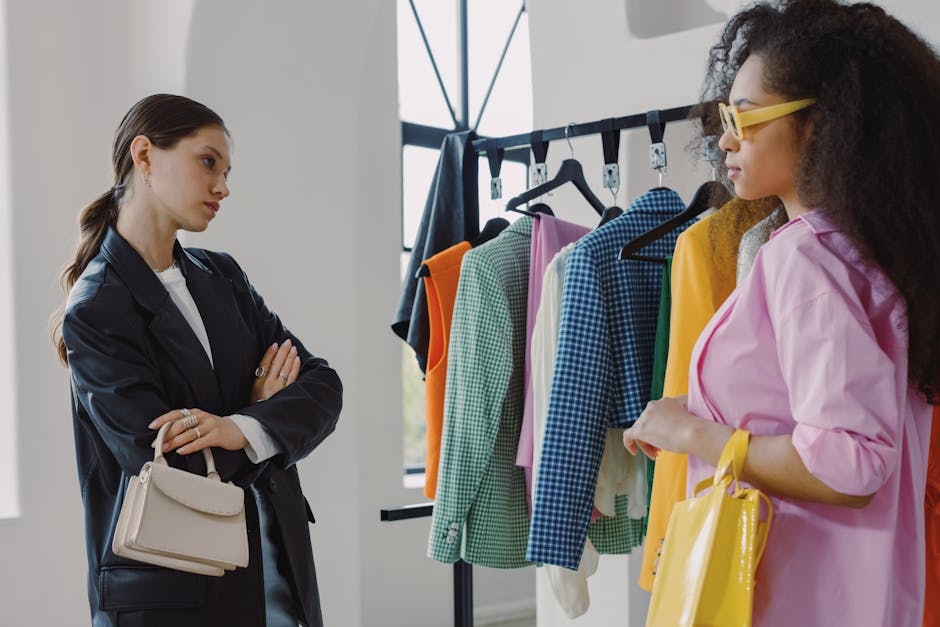
Okay, so you want to look good on the beach, but you also want a suit that won’t fall apart after a single season. This is where many fashion brands fail. They prioritize aesthetics over everything else. But I’ve found a couple of Japanese brands that manage to strike that tricky balance, giving you the style you crave without completely sacrificing durability and quality. These are definitely a step up in price, but they deliver on both fronts.
Is PEAK&PINE Worth the Price Tag?
Absolutely, if you know what you’re buying it for. PEAK&PINE is probably the most recognizable name for trendy, fashion-focused swimwear in Japan. Their stores are everywhere, especially during summer. Yes, their suits are expensive, often ranging from ¥12,000 to ¥25,000 for a set. But here’s the thing: they actually use decent quality materials. I bought a bikini from them a few years back, and while I wouldn’t take it lap swimming, it’s held up beautifully for beach days, resort trips, and pool lounging. The prints are vibrant, the cuts are flattering, and the hardware (if any) is robust. They understand current trends but integrate them with construction that means the suit won’t sag or fall apart after a few wears. For making a statement and getting something that lasts beyond one Instagram post, they’re a solid investment. Just don’t expect Speedo-level chlorine resistance.
How Does San-ai Resort Hold Up to Real Use?
San-ai Resort is a more mature, elegant alternative to PEAK&PINE. They focus on sophisticated designs, often with excellent support and flattering silhouettes. Their price point is similar, if not slightly higher, usually between ¥15,000 and ¥30,000 for a quality one-piece or bikini set. I’ve found their fabrics to be incredibly soft and comfortable, feeling luxurious against the skin. More importantly, they hold up very well. I own a classic black San-ai Resort one-piece that I’ve worn for years, and it still looks fantastic. The colors haven’t faded significantly, and the elasticity is still strong. They’re perfect for resort wear, more upscale pool environments, or simply when you want to feel chic and confident. They’re not just pretty; they’re built with quality materials that stand up to real use, making them a worthwhile investment for a timeless piece.
Can Trendy Swimwear Last More Than One Season?
With brands like PEAK&PINE and San-ai Resort, yes, it absolutely can. The key is understanding their intended use. These aren’t meant for daily chlorinated pool torture. They excel in saltwater, freshwater, and casual poolside environments. The materials used, while not always as hardcore as dedicated athletic swimwear, are generally superior to fast-fashion brands. Proper care — rinsing immediately after use, hand washing with mild soap, and air drying out of direct sunlight — will significantly extend their lifespan. I’ve consistently gotten 2-3 seasons of regular wear out of my fashion-forward Japanese suits by following these simple rules. It’s about choosing wisely and treating your swimwear with respect, knowing it’s not designed for the same abuse as a performance suit.
My Biggest Advice: Don’t Buy Based on Hype
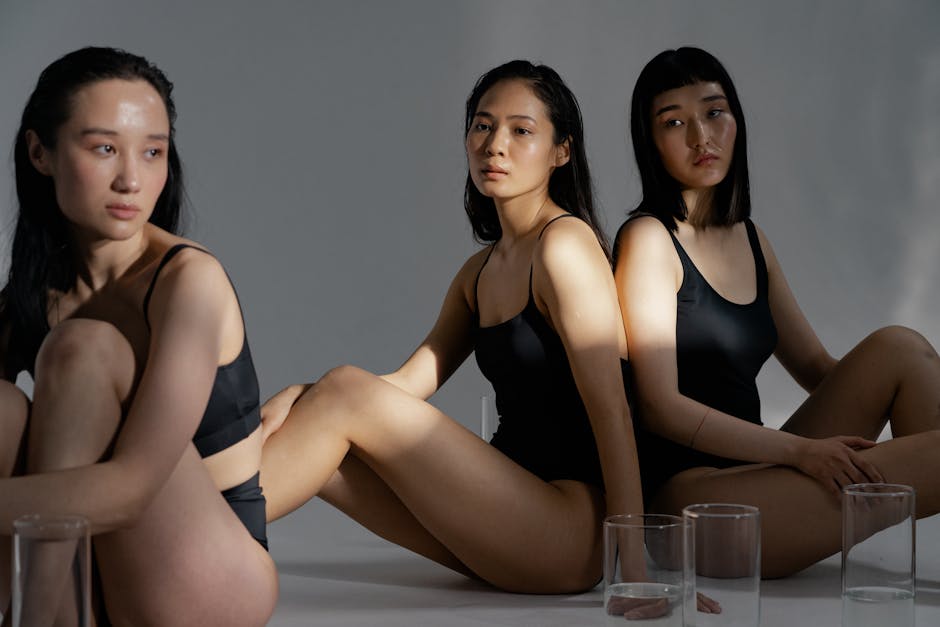
Forget what you see influencers wearing if they don’t talk about longevity. My strongest recommendation is to prioritize fabric quality and construction over fleeting trends. Invest in a few core pieces from the reliable brands I’ve mentioned that align with your actual usage. A well-made Japanese swimsuit is a worthwhile investment. It’s going to serve you for seasons, not just a single summer. Trust your gut and my experience: good swimwear is built to last.